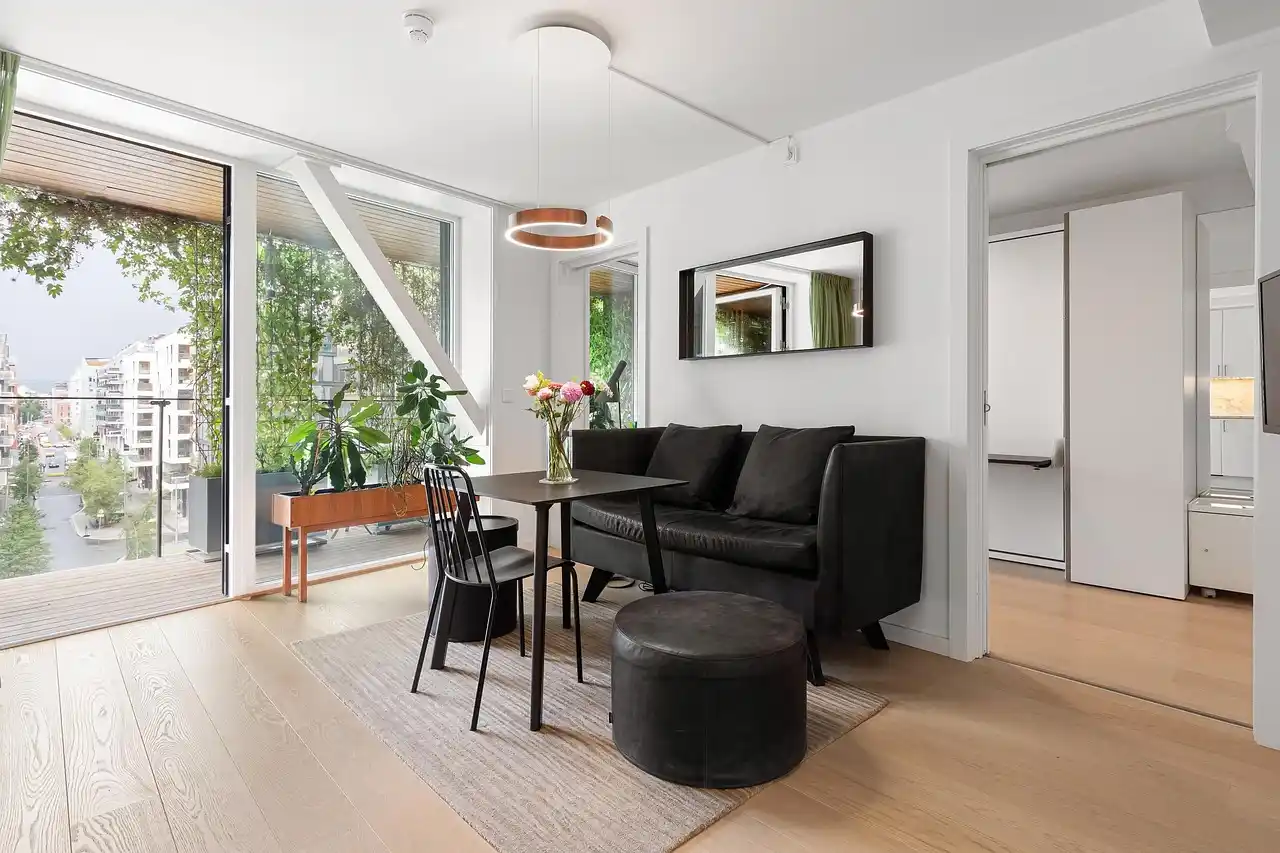
What is home window tinting
Home window tinting is the process of applying a thin film to the interior surface of residential glass. The film is designed to reduce heat transfer, block ultraviolet UV rays, and minimize glare while preserving enough visible light for comfortable living spaces. Properly chosen and professionally installed tint can improve indoor comfort, protect furnishings from fading, and enhance privacy without sacrificing natural daylight.
Benefits of home window tinting
- Energy efficiency and lower cooling costs by reflecting a portion of solar heat
- UV protection that helps prevent fading of carpets, furniture, and artwork
- Glare reduction for more comfortable viewing of TVs and computer screens
- Increased privacy during daytime hours while maintaining daylight
- Enhanced safety by holding shattered glass together in the event of impact
- Aesthetic options that match home style with different tones and levels of reflectivity
Common tint options
There are several film types, each with tradeoffs in heat rejection, light transmission, and durability. Below is a quick overview to help you discuss needs with a pro.
| Dyed film | Low cost, good color stability, and straightforward installation |
| Metalized film | Excellent heat rejection and durability |
| Ceramic film | High heat rejection, exceptional clarity, non conductive |
| Carbon film | Strong UV blocking with a matte finish |
| Reflective film | High glare reduction and exterior appearance |
How to choose the right tint for your home
Choosing the right tint requires balancing daylight, privacy, energy savings, and aesthetics. A higher visible light transmission VLT preserves natural daylight, while a lower VLT increases privacy and reduces glare. Look for UV rejection ratings near 99 percent and SHGC values that align with your climate goals. It helps to bring measurements of each window to the installer and request a manufacturer warranty. A reputable installer can help you evaluate window frame integrity, existing seals, and multi-pane performance to avoid future issues.
Professional installation versus DIY
Most homes benefit from professional installation due to the precision required for large panes, curved windows, or sunrooms. Pros ensure a bubble-free finish, clean edges, and compatibility with existing window hardware and seals. They also provide documentation for warranties and compliance with local codes. DIY kits exist but may lead to bubbling, hazing, or inconsistent lines if not applied with careful surface prep and a clean, dust-free environment.
Cost considerations
Costs vary with window size, film type, and labor. Expect higher-end ceramic or carbon films to incur higher upfront costs but offer greater long-term energy savings and color stability. Labor costs can influence total price, especially for larger homes or complex window geometries. Request a written estimate that includes film type, total square footage, warranty terms, and expected lifespan of the tint.
Maintenance and care
Clean tinted windows with mild soap and water and a soft sponge or microfiber cloth. Avoid abrasive cleaners, ammonia-based solutions, and rough scrubbing that can scratch the film. Regular maintenance helps preserve clarity, reduces the risk of peeling, and maintains warranty validity as described by the installer and manufacturer.
Legal and safety considerations
Local regulations or homeowners associations may place limits on reflectivity, color, or daylight transmission. Always check with your local building department and HOA before purchasing or installing tint. Reputable installers provide compliance documentation and ensure that films are applied by trained technicians and backed by manufacturer warranties.
Comparison at a glance
| Film type | Best for | Pros | Cons |
| Dyed | Budget projects | Low cost, good color stability | May fade or delaminate over time |
| Ceramic | Energy efficiency and clarity | Strong heat rejection, non metallic | Higher price |
| Metalized | High heat rejection | Excellent performance | Possible interference with signals |
| Carbon | Balanced performance | UV blocking, matte finish | Mid to high price |
| Reflective | Max glare reduction | Exterior appearance, best daylight control | May require permits in some areas |
Conclusion
Summary: Home window tinting offers tangible benefits for comfort, protection, and energy efficiency when selected and installed by a qualified professional. By understanding film types, selecting appropriate VLT and SHGC values, and ensuring compliance with local rules, homeowners can achieve durable results with reliable warranties and expert support.