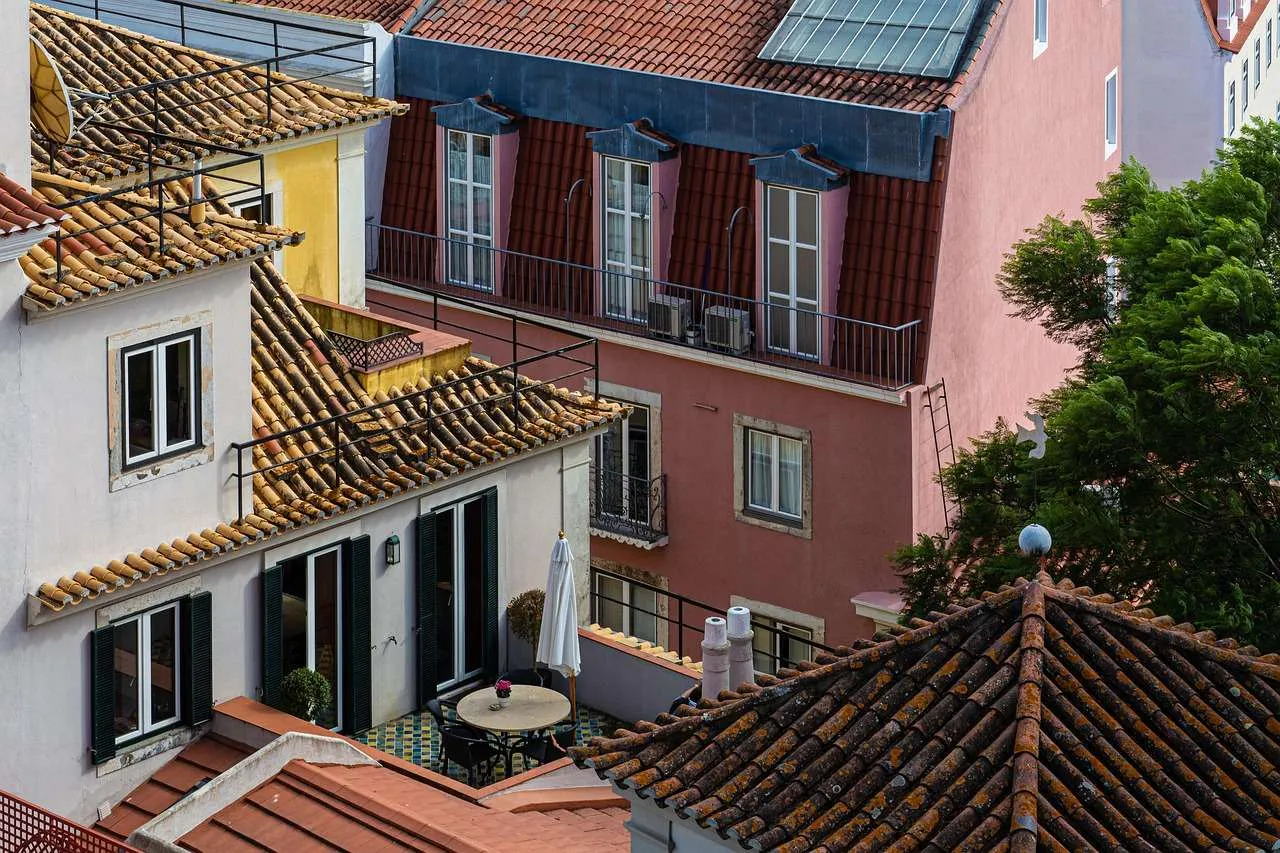
Repair of roofing is one of the most common home maintenance tasks. A well-maintained roof protects a home from water damage, energy loss, and structural decay. The term covers a range of fixes, from small shingle replacements to sealing leaks and repairing flashing. This guide focuses on practical, safety-minded approaches and when to engage a licensed professional to ensure a durable outcome.
Before diving into fixes, it's important to understand that roofs are complex assemblies. Materials, climate, and installation quality all influence how repairs should be approached. For homeowners, building a basic knowledge base helps in diagnosing issues, communicating with contractors, and evaluating costs with confidence.
Common causes of roof damage
Weather is the primary culprit behind many repairs. Freezing and thawing cycles can cause shingles to crack, while heavy rains and wind can lift edges or create leaks near flashings. Sun exposure degrades asphalt shingles, and tree debris can trap moisture and promote rot. Age also matters; most asphalt roofs last 20 to 25 years, while metal, tile, or slate roofs have different lifespans. Poor installation or previous unknown repairs may manifest as recurring leaks even after a patch.
Signs you may need repair of roofing
- Missing, cracked, curled, or granulated shingles visible from the ground
- Water stains on ceilings or walls, especially after rain
- Peeing paint or damp insulation in the attic
- Leaks around chimneys, vents, or flashing, or damp insulation
- Sagging areas or unusual roof sounds during wind
Repair vs replacement: choosing the right path
Not every damage warrants a full roof replacement. Minor leaks, isolated shingle damage, or flashing faults can often be repaired, preserving the rest of the roof. The decision depends on age, the extent of damage, and long-term costs. If the roof is nearing the end of its life, ongoing repairs may only buy time. A professional assessment can help you weigh the cost of patching versus replacement, factoring in material quality, warranty, and future energy efficiency.
Planning a repair of roofing
Start with a clear assessment: identify the affected area, note weather conditions, and document it with photos. Obtain multiple written estimates from licensed contractors. Verify that professionals are insured, licensed in your region, and able to provide references and past project photos. Clarify labor and material warranties, inspection requirements after completion, and cleanup expectations.
DIY roof repair: when it can work
Small projects with simple shingle replacements or sealant repairs can sometimes be handled by a careful homeowner. Work during dry weather, use fall protection on pitched roofs, and follow safety protocols. If a roof is steep, high, or appears structurally compromised, do not attempt DIY repairs; contact a professional instead. Always turn off power at the breaker for any electrical components near the roof and never work alone when on a roof.
Hiring a professional: checklist
- Request proof of licensing, insurance, and workers' comp coverage
- Ask for written estimates, project timeline, and warranty details
- Check references and review recent project photos
- Confirm disposal of old materials and cleanup plan
- Ensure they perform a thorough inspection of attic ventilation and flashing
Cost considerations for repair of roofing
Costs vary by material, scope, and location. Here are typical ranges to help you plan a budget. The figures assume standard asphalt shingles; premium materials or complex details increase expense. Always obtain itemized quotes to compare labor, materials, and disposal fees.
| Repair Type | Typical Cost Range | Notes |
|---|---|---|
| Shingle replacement (patch) | $150 – $600 per patch | Depends on shingle type and extent |
| Leak repair (local) | $300 – $1,500 | Includes sealant and flashing check |
| Flashing repair | $200 – $600 | Critical for water intrusion control |
| Small roof patch | $100 – $300 | For minor penetrations |
| Full roof repair (partial area) | $1,000 – $3,000 | May lead toward replacement later |
Maintenance tips to extend roof life
Regular inspections staged seasonally help catch issues early. Clean gutters to prevent water backup, trim overhanging branches, and remove leaves and moss that trap moisture. Address attic condensation, ensure proper insulation and ventilation, and schedule professional inspections after major storms. These practices reduce the risk of costly repairs and support energy efficiency.
DIY vs professional repair: pros and cons
| Aspect | DIY | Professional |
|---|---|---|
| Upfront cost | Lower, but may require tools | Higher, but often includes materials |
| Safety | Inherent risk on steep surfaces | Includes safety protocols and insurance |
| Quality and warranty | Quality varies; warranties limited | Reliable workmanship with warranties |
| Authorization and codes | Homeowner is responsible for code compliance | Professionals ensure compliance and permits |
Conclusion
Conclusion, repair of roofing requires careful assessment, informed decisions about DIY versus professional work, and adherence to safety and code requirements. By recognizing signs early, obtaining qualified estimates, and prioritizing quality flashing, underlayment, and proper ventilation, you can extend the life of your roof and protect your home’s value for years to come.